


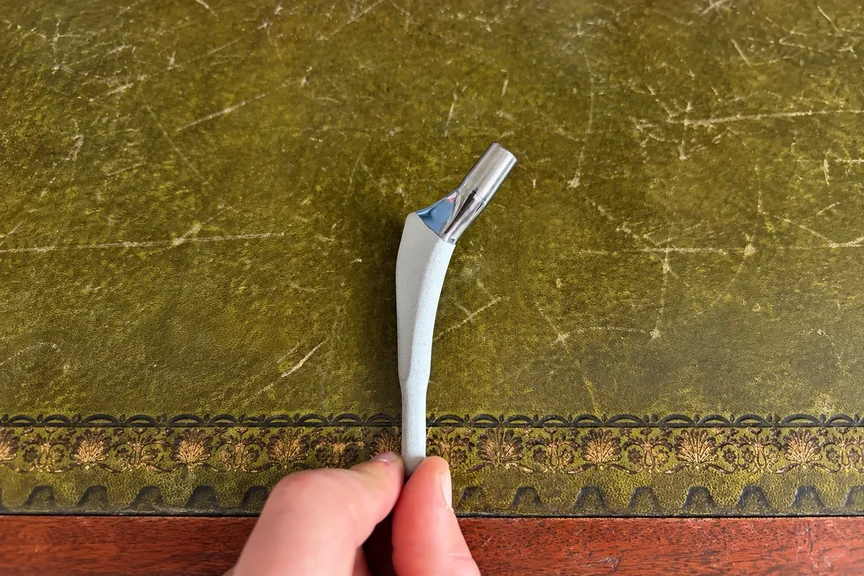
What is a mini hip replacement?
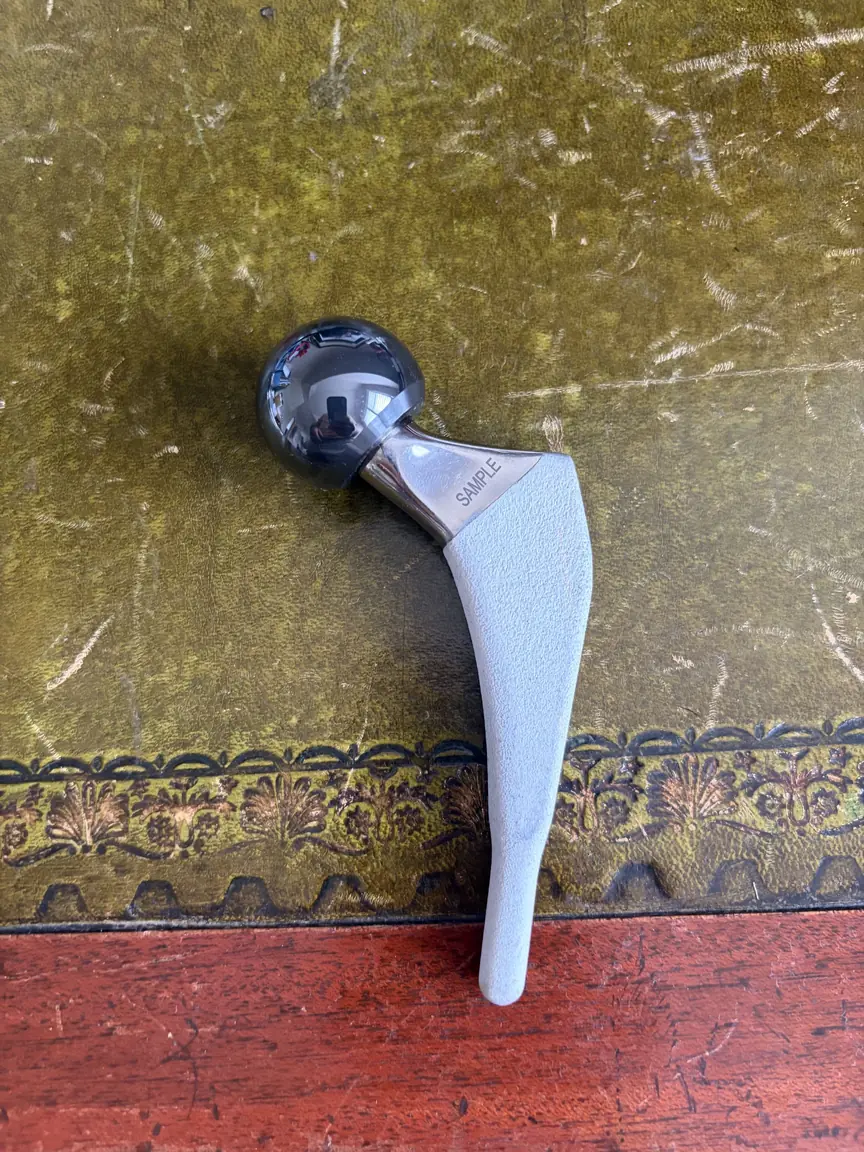
A mini hip replacement, sometimes described as minimally invasive hip arthroplasty, replaces the worn ball and socket of the hip joint with a prosthetic stem, head and cup. The difference lies in the access rather than the implant. The incision is shorter, often in the region of 8 to 10 cm rather than the longer exposure used in traditional surgery, and muscle and tendon are spared wherever the anatomy allows.
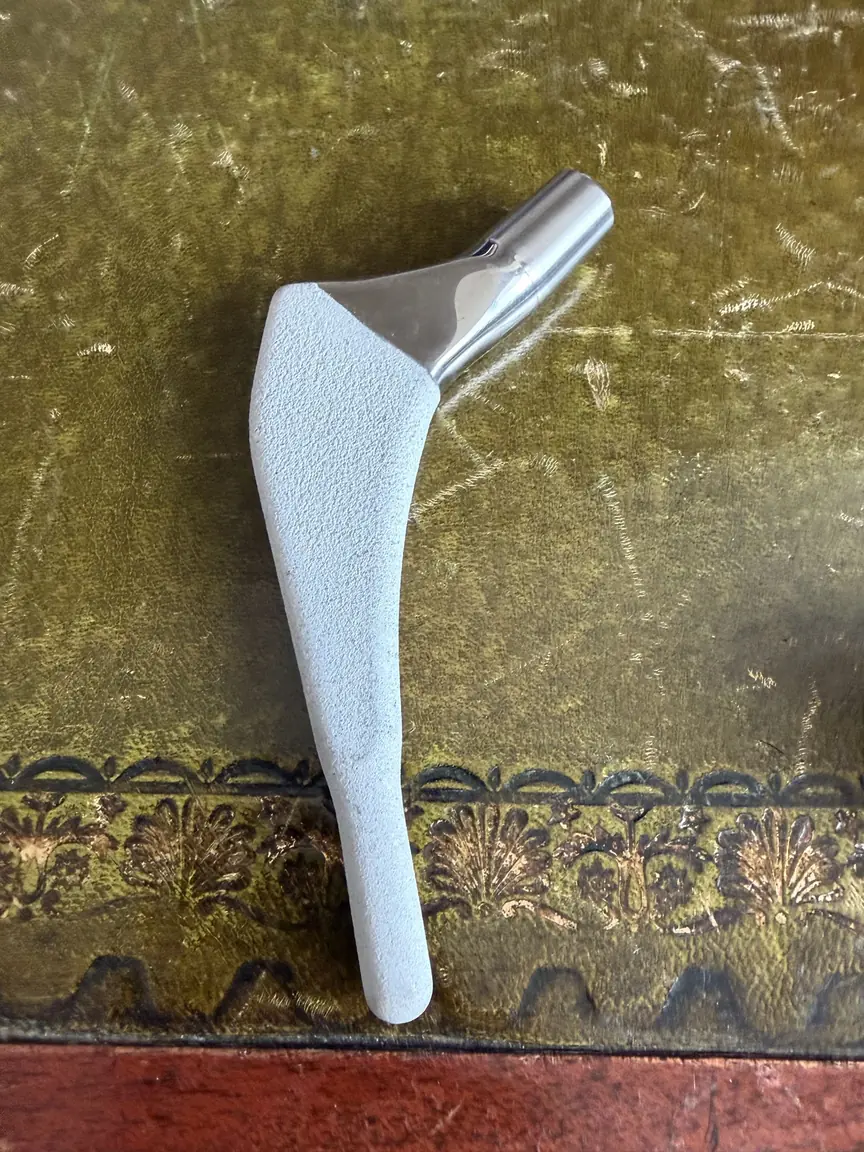
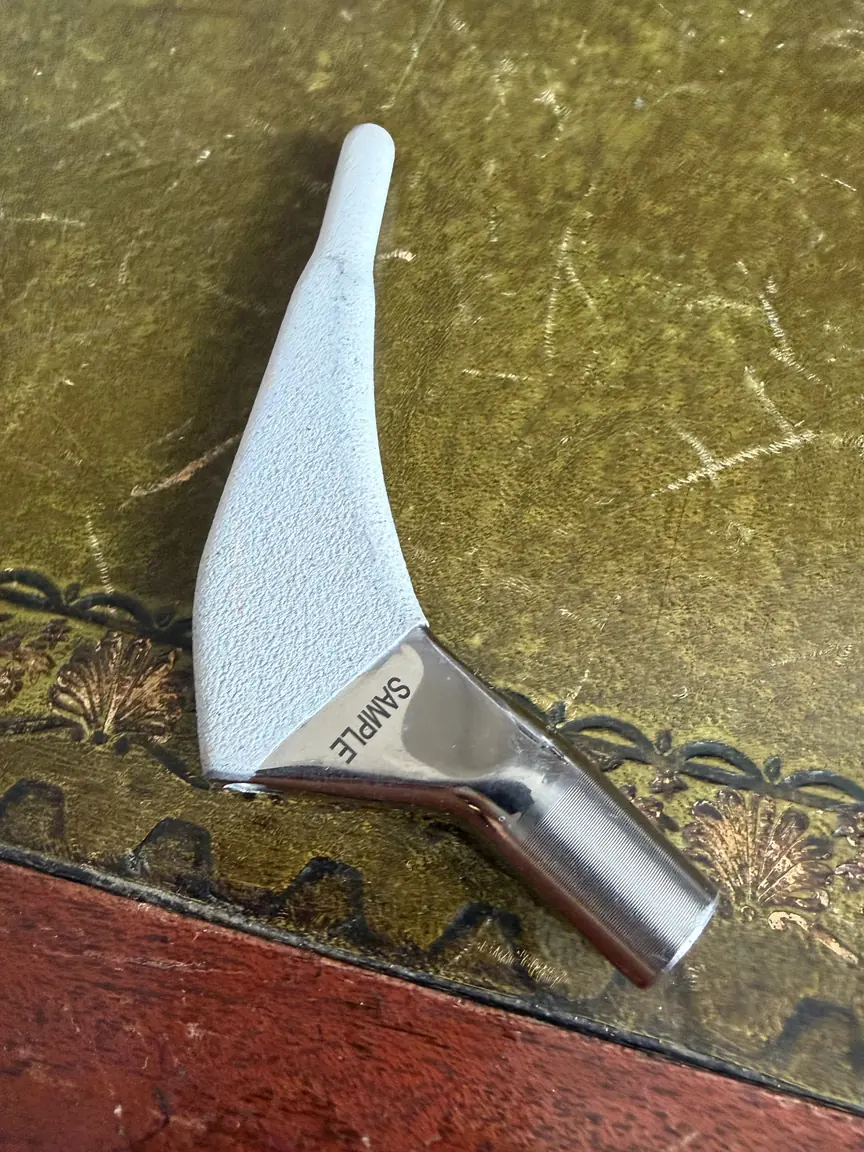
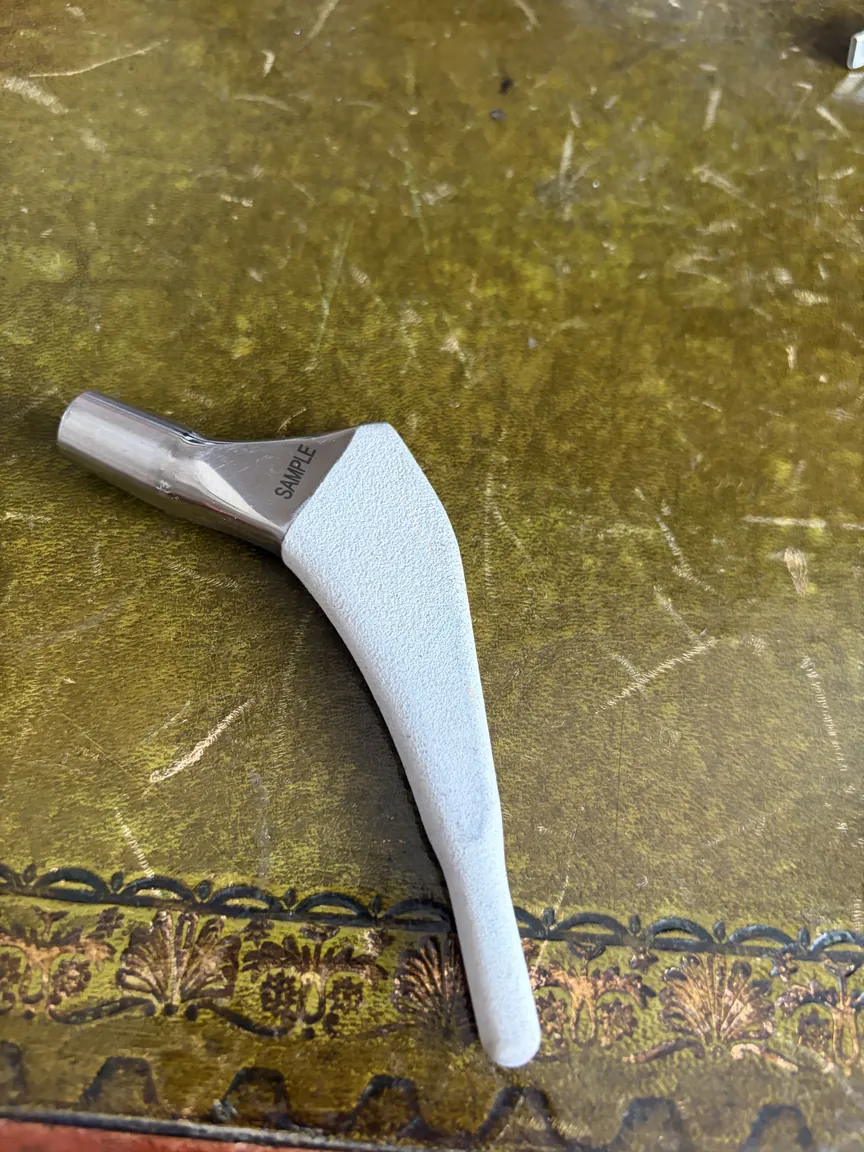
It is an uncemented stem, with hydroxyapatite coating which encourages rapid bone growth into the prosthesis. It is anchored in the femoral neck (as opposed to the femoral shaft as in conventional hip replacement) so will feel more natural for the patient than a conventional prosthesis. Also the anchoring in the femoral neck means that recreation of the patient’s specific anatomy is much more accurate, meaning stability and range of motion are optimised and personal to the patient. Further benefits of the component being anchored in the femoral neck are that it requires less bone removal to implant it. It is also more sparing of the important soft tissues around the hip joint meaning earlier return to function and again more natural feeling of the implant. Anatomically it will behave more like a resurfacing arthroplasty without the significant risks of having a ‘metal on metal’ implant.
The goals remain unchanged: to relieve arthritic pain, restore leg length and offset, and give you a stable, well aligned hip. Implant choice and surgical approach should be based on evidence of long term performance rather than on the size of the scar alone.
Patient Story
“Had I known the reality of hip replacement surgery then I would have done it a lot sooner. Now a year on I am enjoying playing cricket and my motorcycle and that as they say is “priceless”.”
Jonathan Swinscoe
Benefits of Mini Hip Replacement
Further benefits of leaving more bone during the primary operation means that in the unlikely event that the prosthesis needs removing or changing many years down the line the revision is less destructive, and the reconstruction can therefore be more like a primary hip replacement than a revision.
Is a mini hip replacement right for me?
This approach suits some patients rather than all. Your build, body mass index, bone quality, hip anatomy and the pattern of arthritis on your X-rays are all assessed first. Previous hip surgery, significant deformity or complex anatomy may make a standard approach safer and more accurate.
Mr Mark Edmondson will be honest about whether a small incision is right for you, or whether a conventional exposure would give a better and safer result for your hip. Suitability is discussed at your consultation alongside non-surgical options such as physiotherapy, weight management, walking aids and pain relief.
What happens on the day of surgery?
Most people are admitted on the morning of surgery. The operation usually takes around one to one and a half hours, under a regional (spinal) or general anaesthetic, the choice made with the anaesthetist after assessing your health, and many patients walk with support the same day, helped by an enhanced recovery plan.
Your Recovery, Week by Week
Recovery from mini hip replacement follows the same general pathway as standard hip replacement. Mr Edmondson does not consider this a distinct or accelerated recovery track, simply a different implant design.
Day 1-2
Assisted walking begins with two crutches, alongside abductor muscle strengthening exercises.
Weeks 2-4
Continued crutch-assisted walking while strength and confidence build.
1 Month
Unassisted walking typically begins for most patients.
6 Weeks
Most patients are able to return to light, desk-based activities and driving by around six weeks.
Months 3+
Many patients return to sport around this stage, with the exact timing guided individually based on progress and the demands of the activity.
Up to 1 Year
Function and comfort continue to improve, consistent with hip replacement recovery generally.
See the Hip Replacement Surgery page for the full week-by-week recovery timeline.
Risks and Honest Conversations
A smaller incision does not remove the risks of hip replacement, and it is not right for everyone. Mr Edmondson talks through the risks that apply to you and why an approach is chosen. No promises are made about outcomes, and that honesty is part of the care.
Book a consultation
Clinic Times
Mon
Nuffield Haywards Heath, 8:30-17:30
Tue
Spire Montefiore, Hove, 8:00-17:30
Fri
Nuffield Haywards Heath, 10:30-13:00
Related