


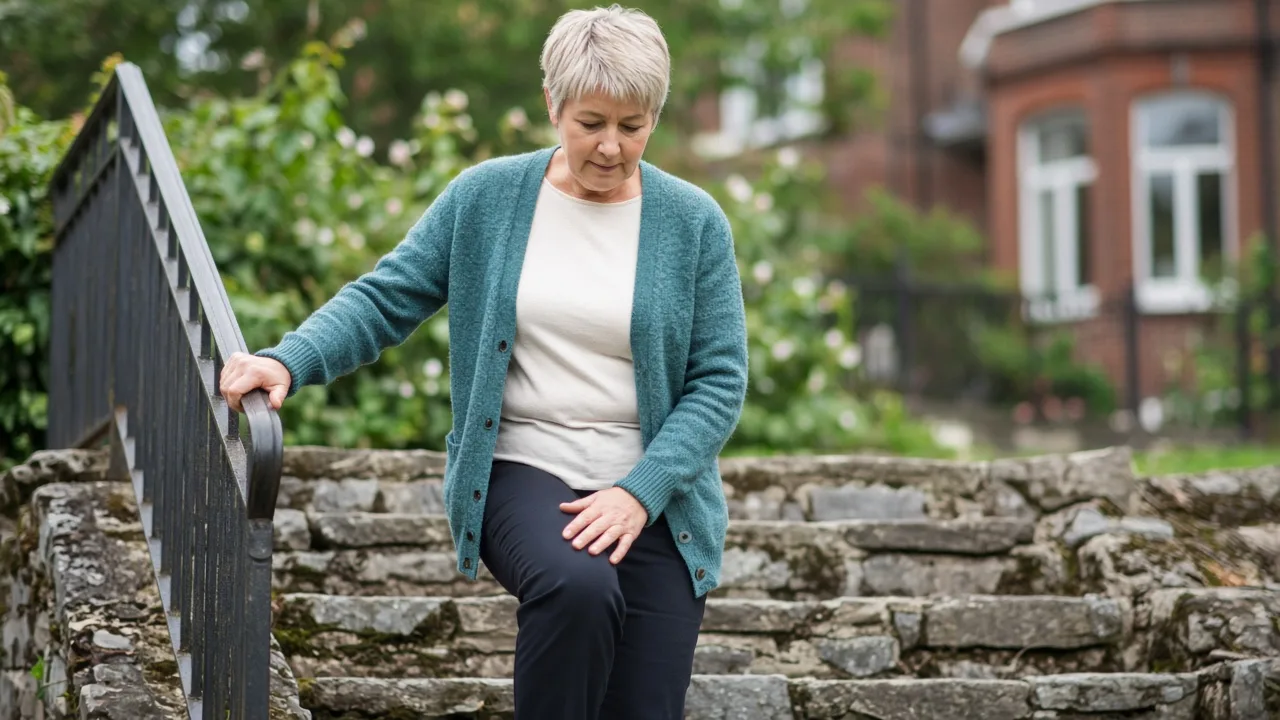
What is it?
Arthritis (inflammation and pain of a joint) is caused by damage to the cartilage covering the joint surfaces.
How is it caused?
It is often caused by age related wear and tear, but osteoarthritis can also be caused by abnormalities of the joint due to other conditions such as poor blood supply to the cartilage (Avascular Necrosis), and Injuries to the joint (from Fractures, instability, meniscal tears, repetitive trauma or infection).
What are the symptoms?
- Pain: These include a dull ache in the knee which may come and go or be constant. Going up and down stairs is often one of the early signs. Instability and giving way of the knee as well as pain also occurs. In some cases, pain may make it difficult to walk long distances without limping. Later, night pain can disturb your sleep.
- Stiffness: You may find that it's more difficult to bend and straighten your knee, and you may hear (or feel) grinding and cracking in the joint when it moves.
How is it diagnosed?
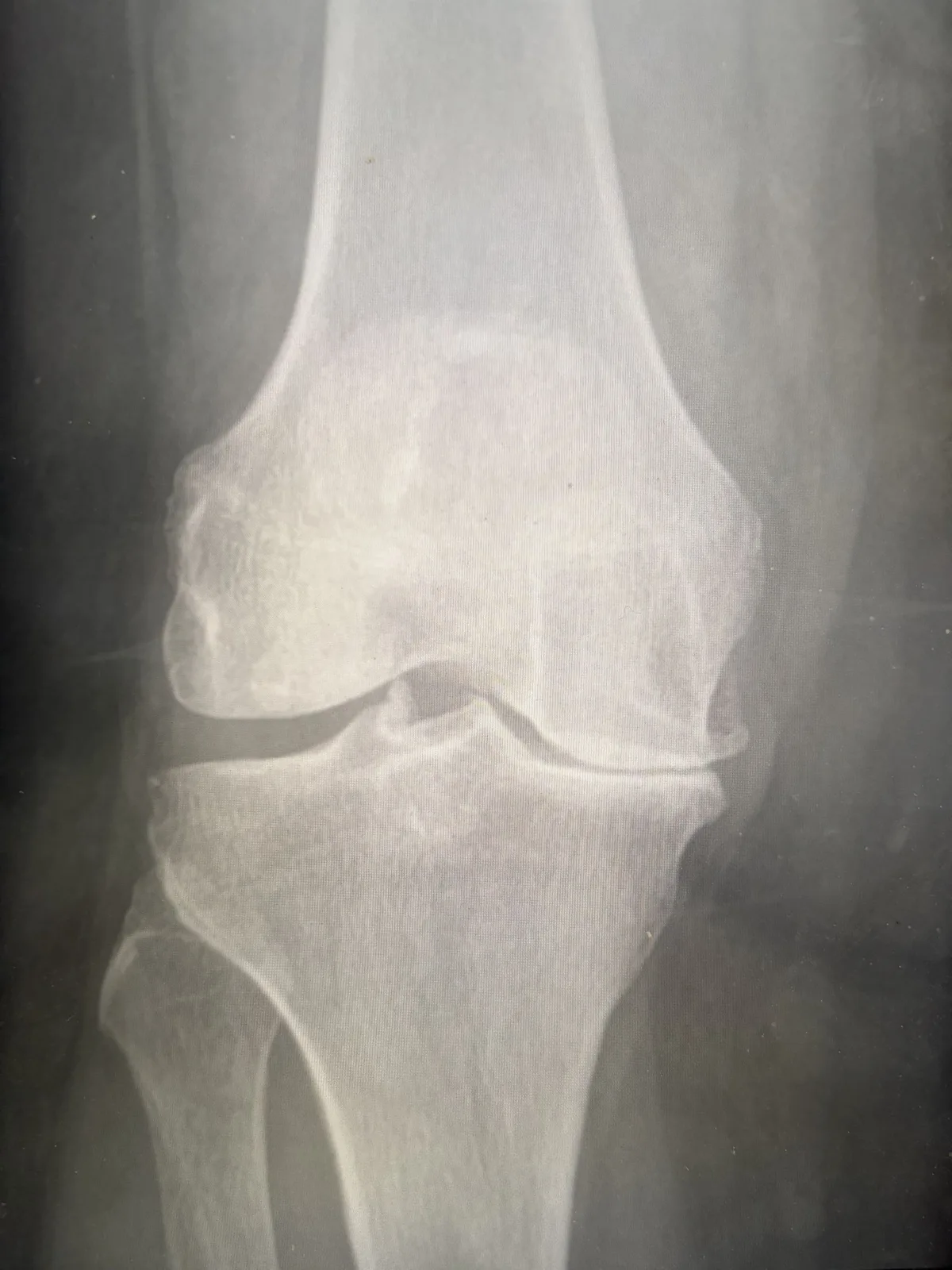
After discussing your symptoms, the specialist will usually back up the diagnosis with X-rays and MRI or CT scans to show the extent of damage to the cartilage and to see if there is an underlying cause.
How is it treated?
- Non-operative treatment: this includes taking anti-inflammatory medication, if advised by your doctor, along with a rehabilitation programme of gentle exercises to improve your strength and range of movement. Weight loss, combined with using an exercise bike, can be very effective in the early stages. However, arthritis is a progressive condition that will become worse over time.
- Surgery: Knee replacement is the only treatment that can 'cure' knee arthritis but is only advised when pain is significantly affecting your everyday life.
Your Recovery, Week by Week
Weeks 1-2
Anti-inflammatory medication, if advised, and a structured exercise or physiotherapy programme typically begin around this stage.
By 6-12 Weeks
Many patients following a structured knee-strengthening and exercise programme notice measurable improvement in function and quality of life over this period, though the pace of improvement varies from person to person.
Ongoing
Because knee arthritis is progressive, the benefits of exercise and weight management need to be maintained long-term, and symptoms can still gradually worsen over time even with consistent non-surgical treatment.
If Surgery Becomes Necessary
Knee replacement follows a well-established recovery pathway. See the Knee Replacement Surgery page for the full timeline.
Here Are Some Examples of Knee Arthritis X-Rays
Book a consultation
Clinic Times
Mon
Nuffield Haywards Heath, 8:30-17:30
Tue
Spire Montefiore, Hove, 8:00-17:30
Fri
Nuffield Haywards Heath, 10:30-13:00