


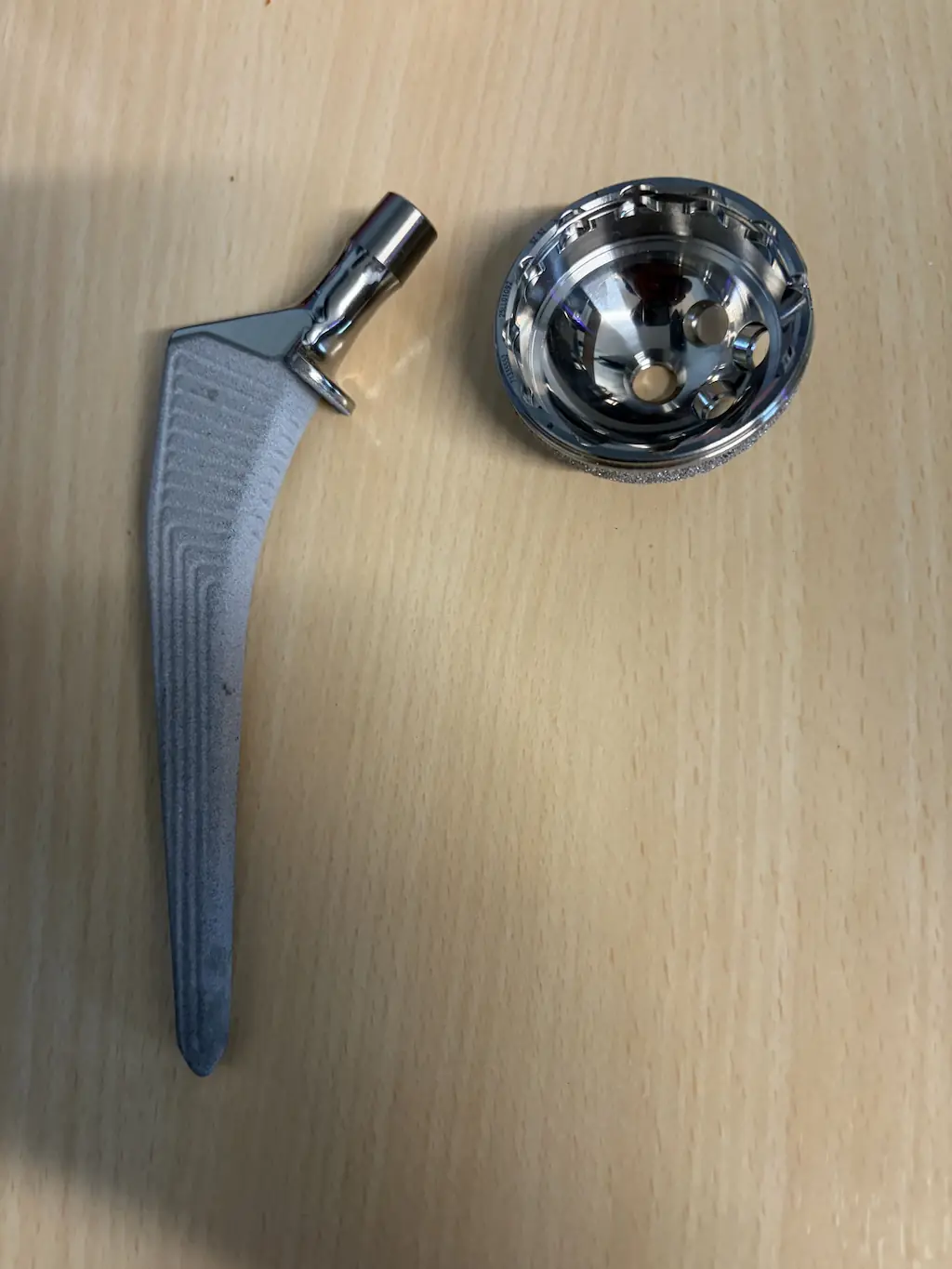
What is hip replacement surgery?
A hip replacement swaps the worn ball and socket of an arthritic hip for smooth, hard wearing implants, which removes the main source of pain and stiffness. It is one of the most reliable operations in modern surgery, and Mr Mark Edmondson performs it regularly for older patients and for younger, active patients.
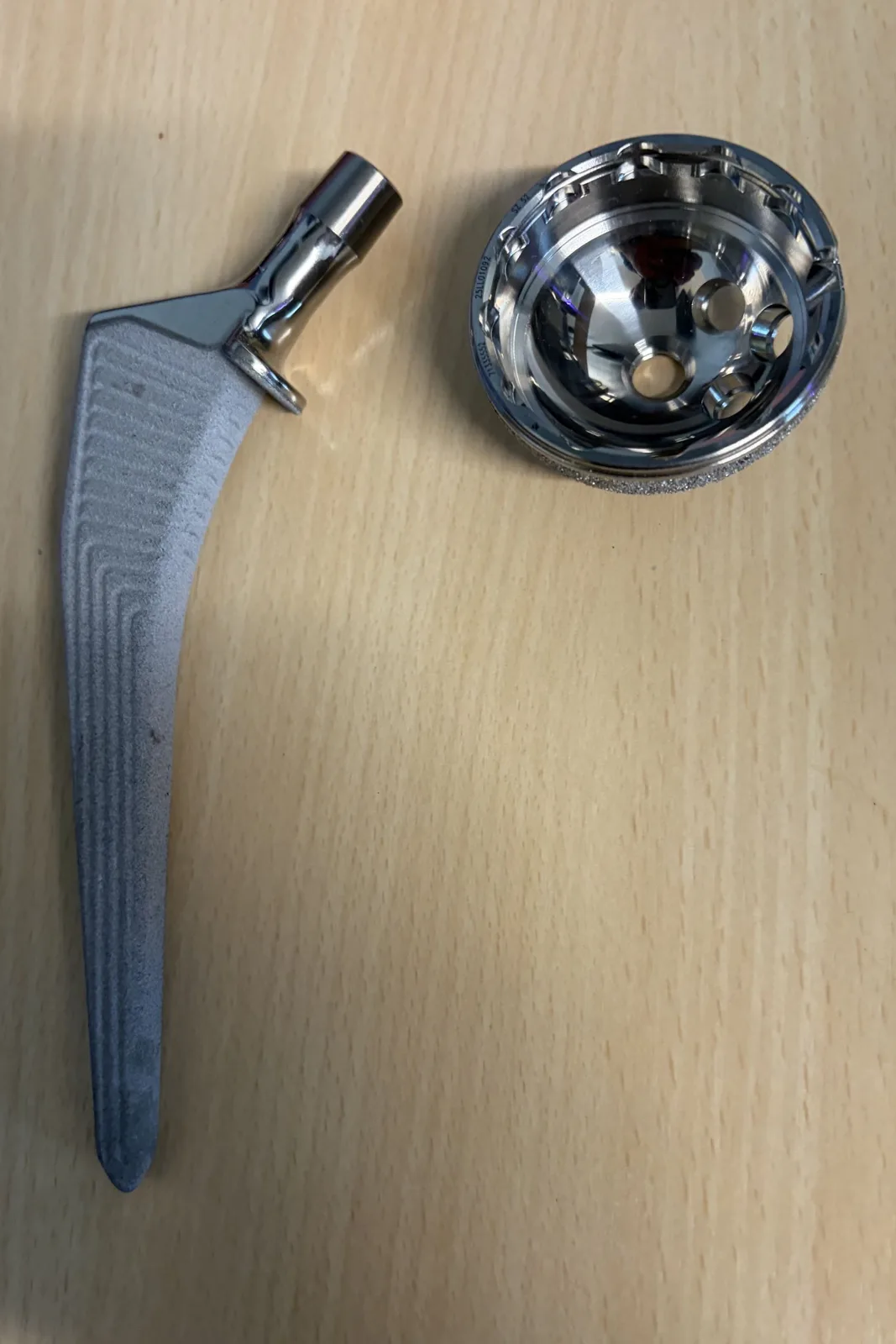
- The procedure has three main parts:
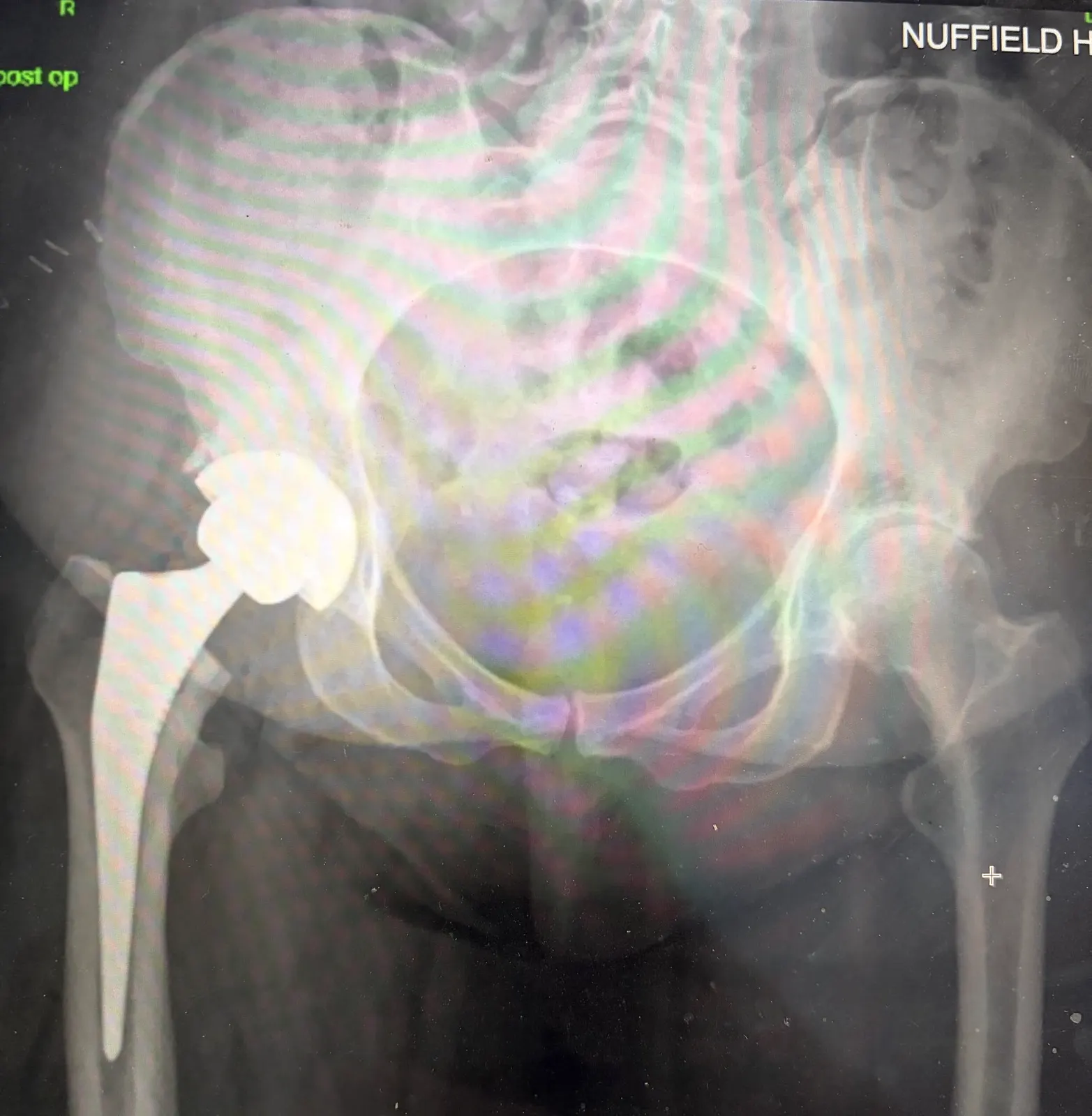
- A socket component, usually made of metal with a hard wearing plastic or ceramic liner, is fitted into the pelvis.
- A stem is placed into the top of the thigh bone, either cemented in place or press fitted so bone grows on to it.
- A new ball, made of ceramic, sits on the stem and moves smoothly within the socket.
Implant choice is not one size fits all. Your age, bone quality, activity level and anatomy all influence the combination Mr Mark Edmondson recommends, and this is discussed with you before any decision is made.
When is it recommended?
Surgery is offered when you have a condition that is affecting your everyday activities due to pain or stiffness, as well as your ability to sleep and where other treatments have failed to improve your symptoms.
- Common signs that a hip replacement may be worth discussing include:
- Groin or buttock pain that wakes you at night or persists at rest.
- Difficulty with socks, shoes, stairs or getting in and out of a car.
- A shrinking walking distance, or increasing reliance on a stick.
- X-ray changes of advanced arthritis alongside symptoms that no longer respond to non-surgical care.
NICE guidance on osteoarthritis recommends that exercise, weight management where relevant and simple pain relief are tried first, with joint replacement considered when symptoms substantially affect quality of life. Mr Mark Edmondson follows that stepped approach, and will say clearly if surgery is not yet the best option for you.
What does surgery involve?
During surgery, the surgeon removes the damaged ball of the hip joint and removes the cartilage from the socket. Both the ball and socket are replaced with prosthetic (artificial) parts which allow the joint to move smoothly without pain. These are held in place with or without bone cement. Your surgeon will be able to recommend the best type of replacement joint for your condition.
Most people are admitted on the morning of surgery. The operation usually takes around one to one and a half hours, under a regional (spinal) or general anaesthetic, the choice made with the anaesthetist after assessing your health, and many walk with support the same day, helped by an enhanced recovery plan.
What are the risks of surgery?
- Complications following hip replacement surgery are rare. However, they can include:
- Infection: The chance of infection is less than 1% and can usually be treated effectively with antibiotics. Usually only the skin is affected, but if bacteria get into the hip itself then it may be necessary to have a further operation to wash it out with saline solution and give stronger antibiotics via a drip. On very rare occasions it may be necessary to remove the hip replacement completely to allow the bacteria to be treated. It is then re-replaced, either during the same operation or after an interval of 4-6 weeks. Treatment of infected hip replacements is highly specialised.
- Deep vein thrombosis (DVT): The risk of this is less than 1% and is unusual if you move around as much as possible after surgery. You will be given blood thinning injections to reduce this risk and you will be advised to wear compression stockings for up to 4 weeks after surgery. Symptoms of DVT include pain, swelling, warmth and redness of the calf (however, thigh and knee swelling are normal after hip replacement surgery).
- Swelling: Swelling and bruising around the hip joint and in the thigh and knee is common after hip replacement surgery. The swelling may feel tight and a little uncomfortable. It is not uncommon for the limb to remain slightly swollen for at least 6 months.
- Stiffness: Most people experience some stiffness initially after the operation, but this will improve with exercise and physiotherapy.
- Nerve damage: Small nerves that supply sensation to the skin near the operation site can be damaged leading to scar numbness. Injury to the major nerves supplying the muscles of the leg is a very serious complication but fortunately extremely rare (less than 0.2%).
- Unequal leg length: Although the surgeon will try to ensure that your leg length is the same, sometimes surgery can result in slight inequality which may require orthotics to ensure your walking is not affected.
- Wear and loosening: Modern hip replacements are expected to last at least twenty years. However, over time the artificial hip may wear or loosen and if this happens, a further procedure to change the implants (revision surgery) may be necessary. However, huge advances in the field of revision hip surgery mean that in most cases the outcome is excellent.
- Dislocation: This is rare, occurring in around 1% of cases. Once treated, it seldom recurs.
- Fracture: This is rare, occurring in around 1% of cases. This will be noticed intraoperatively and treated appropriately. Rarely small fractures are picked up on the post op X-ray, which is routinely performed the next day after surgery, generally these are treated with reducing the amount of weight you are allowed to put through your operated leg.
Your Recovery, Week by Week
Day 1
Walking with support, home in one to two days.
Weeks 1-2
Walking indoors comfortably with hip exercises; wound reviewed; swelling commonly peaks around one week.
Weeks 3-6
Gradual return to light everyday activities; many patients become confident without crutches, back to desk work and driving again by around six weeks.
Months 3+
Golf, cycling and swimming are usually fine; impact sport discussed individually. Some swelling can persist for months, and the hip may keep improving for up to a year.
Risks and Honest Conversations
Every operation carries risks, and hip replacement is no exception. Rather than handing you a list of percentages, Mr Edmondson talks through the risks that apply to you specifically, and the steps taken to reduce each one. No promises are made about outcomes, and that honesty is part of the care.
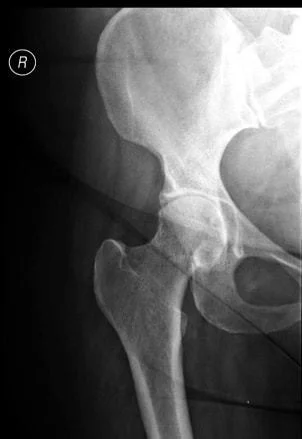
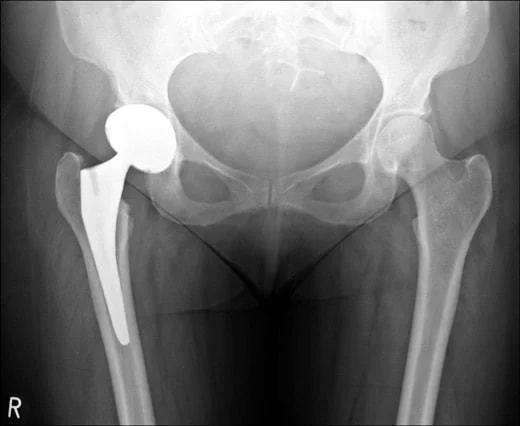
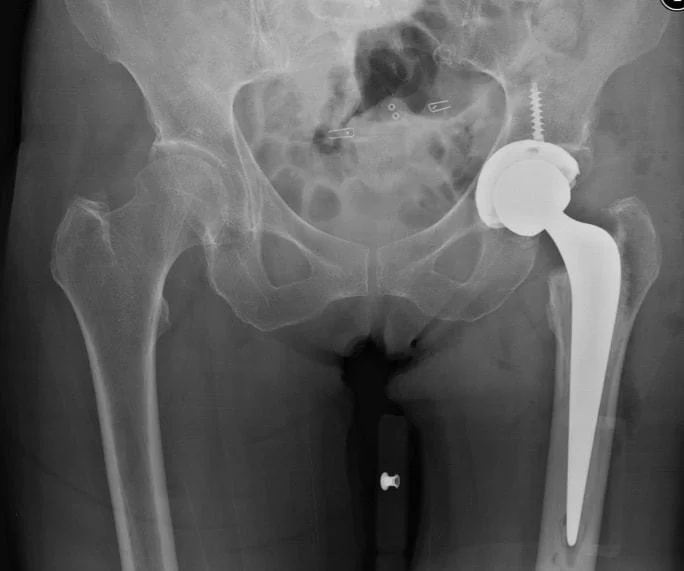
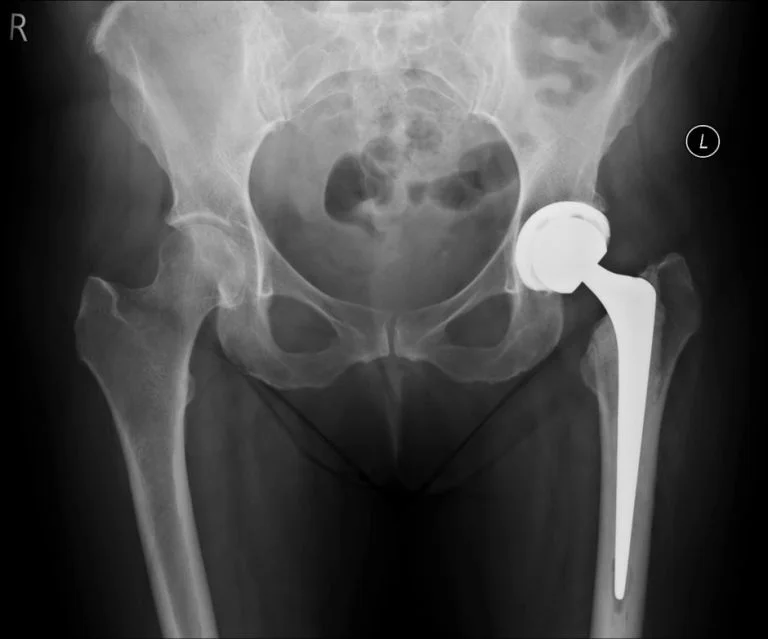
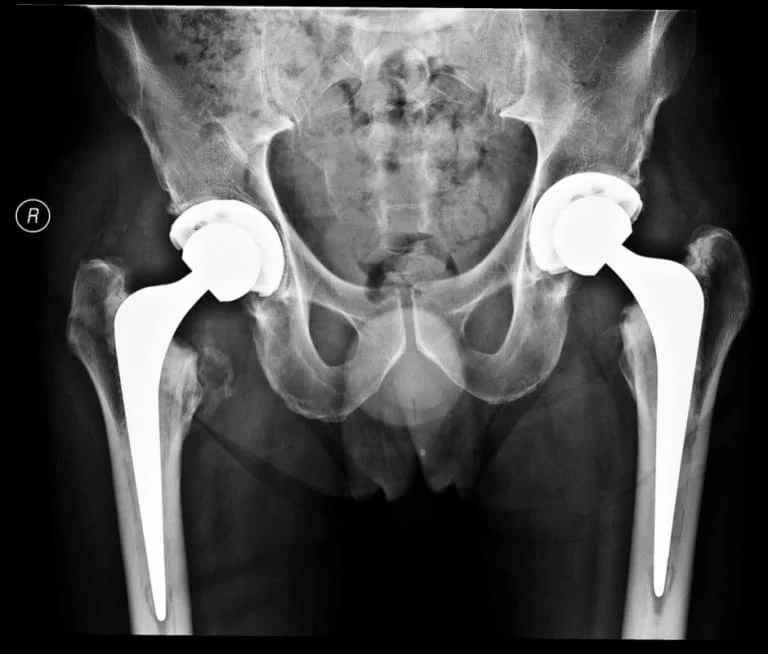
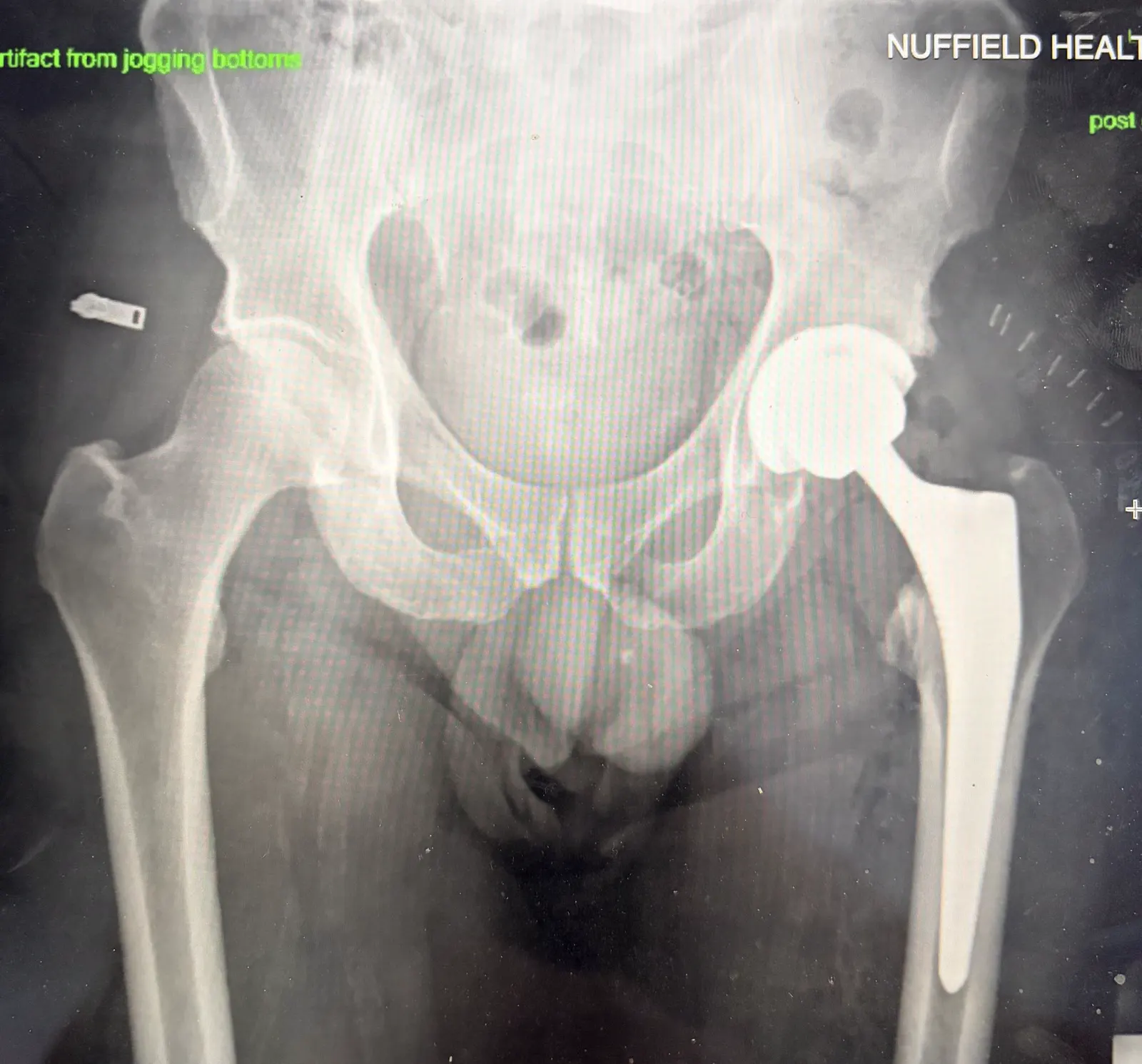
Here Are Some Examples of Hip Replacement Surgery X-Rays
Patient Story
“It is just 3 months since Mr Edmondson completed my hip replacement surgery. The whole process was done with consideration and understanding, even my dumb questions were answered from the outset. The result has far exceeded my expectation. I was playing golf after 2 months, with a buggy. I am now able to walk our very hilly course with ease. The only downside is there has been no improvement in the golf. I guess you can’t have everything.”
Gary Halewood
Frequently Asked Questions
How long will I need to have off work?
Depending on the kind of work you do, you may need up to six weeks off work. However, you will be advised about this as everyone is different and your rate of recovery may be different from other people’s. We normally recommend that you don’t work at all for the first two weeks, gradually returning to normal after four to six weeks (if your job mainly involves sitting down). Commuting during rush hour is not recommended for at least six weeks after hip replacement surgery. Manual workers may need up to three months to return to normal.
When can I start to drive again?
The DVLA states that it’s the responsibility of the driver to ensure they are always in control of the vehicle. A good guide is if you are confident walking without crutches and can get into your car without help, which is usually around six weeks after surgery. Vehicle insurance companies also usually suggest a six-week period off driving, although you should always check with your car insurance company first.
Will having surgery limit my sporting activities?
It’s important to discuss any concerns you may have with your specialist and to have realistic expectations about what is possible with this procedure. In most cases, people who have total hip replacement surgery have dramatically reduced levels of pain and increased ability to carry out everyday tasks. However, you may be advised to avoid sports that put particular stress on the joint such as running, jumping and high impact sports. Sports that are less likely to cause problems include tennis, swimming, golf, cycling and other low impact activities. Your hip replacement should continue to improve for up to a year after surgery, and sometimes longer for younger patients.
Will I need physiotherapy?
In most cases, you’ll be advised to take two walks each day, gradually increasing your distance as your strength and confidence returns. Most people can bear weight on their leg soon after the operation and should be able to walk confidently without crutches within six weeks. You will also be advised to arrange to see a physiotherapist so that you can begin to follow a rehabilitation programme that will help you return to fitness as soon as possible.
Will the metal in my hip set off a metal detector?
Hip replacements may set off airport security detectors but in most cases, you won’t need to go into great detail about your surgery with the security staff; many people have had some type of surgery involving a metal device and a brief explanation should be enough.
How can I avoid damage to my replacement hip?
- Looking after your replacement hip will help protect and extend its life. You can do this by:
- Exercise: to maintain mobility and build strength, also keeping your weight down will increase the life of your hip.
- Avoiding falls: as breaking a bone in your leg may involve further surgery.
- If you need a dental procedure: let your dentist know as you may need to take antibiotics before your treatment to avoid any infection that might affect your hip replacement.
Book a consultation
Clinic Times
Mon
Nuffield Haywards Heath, 8:30-17:30
Tue
Spire Montefiore, Hove, 8:00-17:30
Fri
Nuffield Haywards Heath, 10:30-13:00