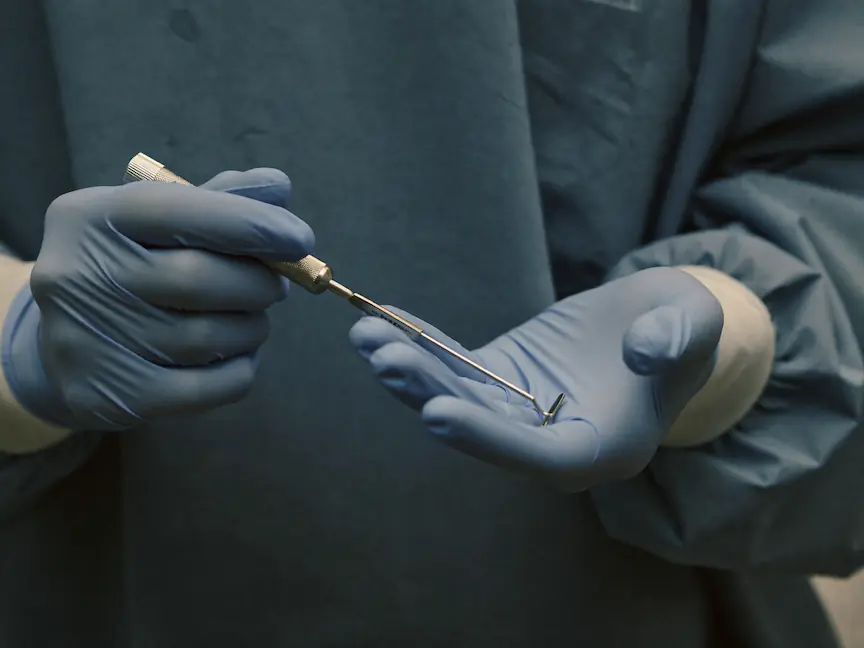
Why do we operate on fractures?
The aim of operative fixation of fractures (rather than a simple cast) is to get the injured bone into the best position for function, to get the limb moving normally straight after surgery, and to allow weight bearing as soon as possible.
I have advanced fellowship training in major trauma surgery, in particular complex fractures into and around joints and joint replacements. I use the latest technology and surgical techniques.
Your Recovery, Week by Week
Early After Surgery
One of the main aims of fixation, as described above, is to allow earlier movement and weight bearing than traditional casting permits, but exactly when this starts depends on the fracture and the fixation used.
Around 2 Weeks
For fractures with rigid internal fixation, such as many ankle fractures, weight bearing can often begin around two weeks after surgery in suitable patients, rather than the traditional six-week non-weight-bearing period.
By 6-8 Weeks
Early weight bearing is generally associated with a shorter hospital stay and a faster return to work compared with more traditional, delayed weight-bearing approaches.
By 3-12 Months
The most consistent benefit of earlier weight bearing is a faster short-term recovery, with improved early function, less pain and an earlier return to work. Medium- and long-term functional outcomes tend to be similar by six to twelve months, whichever approach is used.
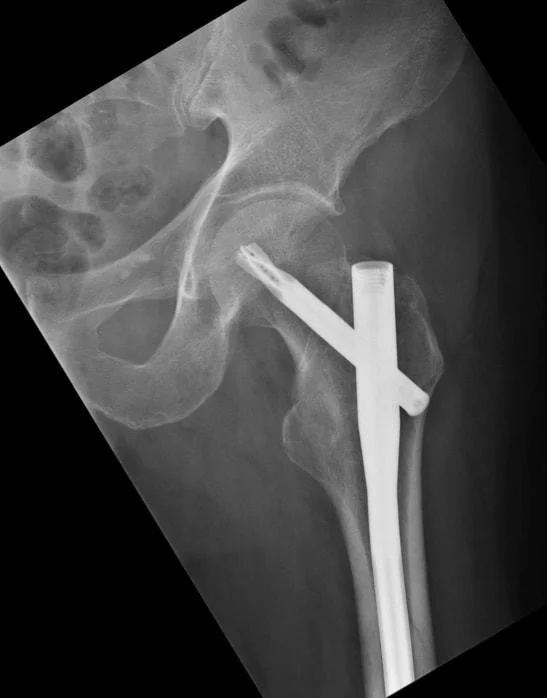
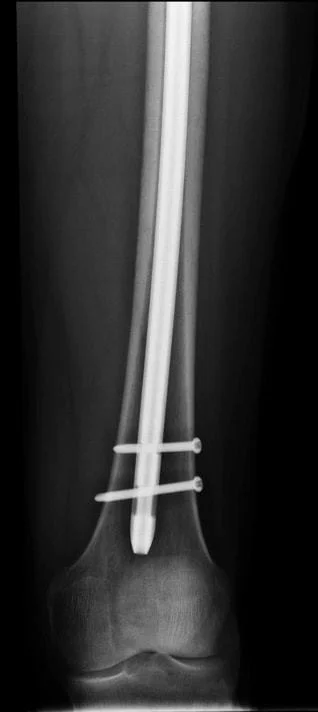
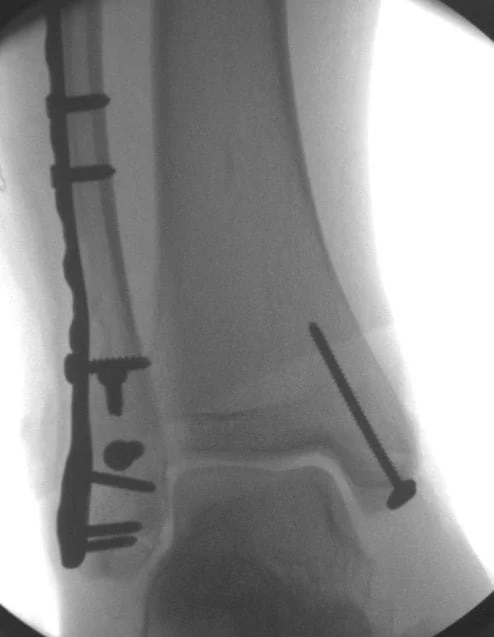
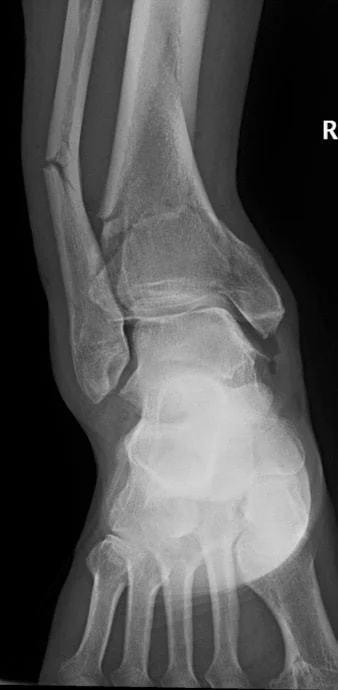
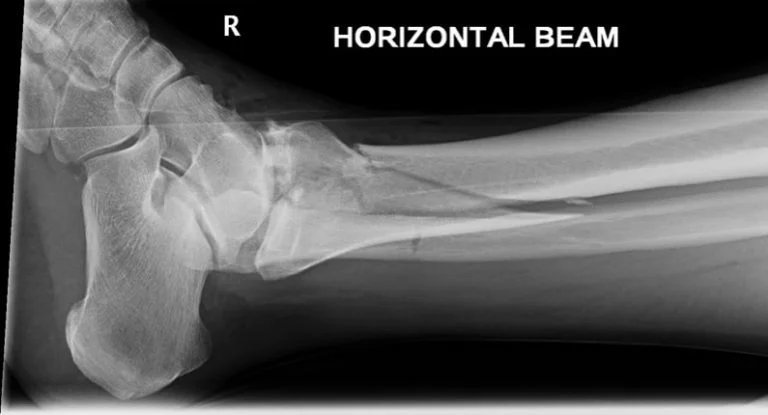
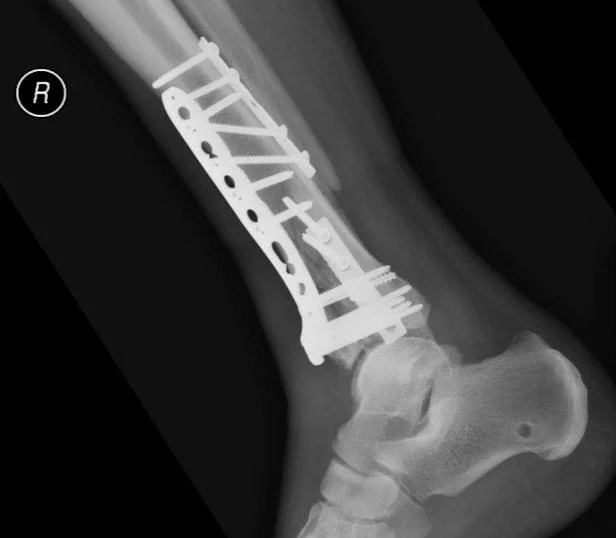
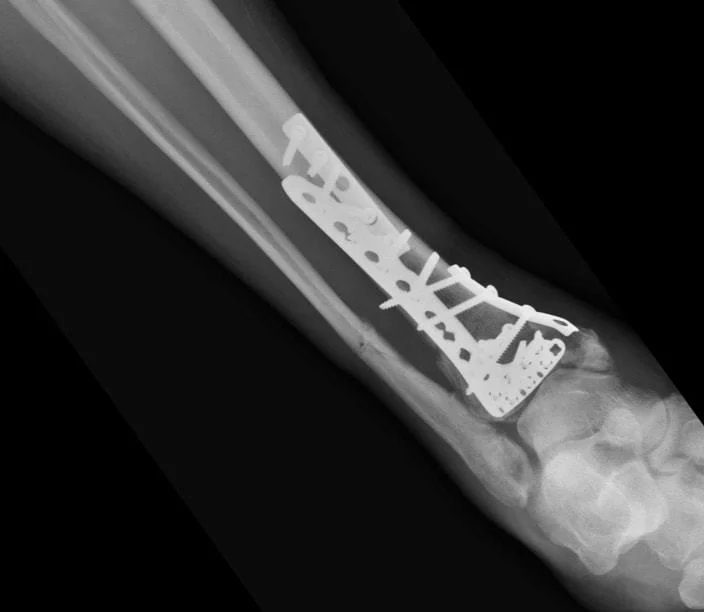
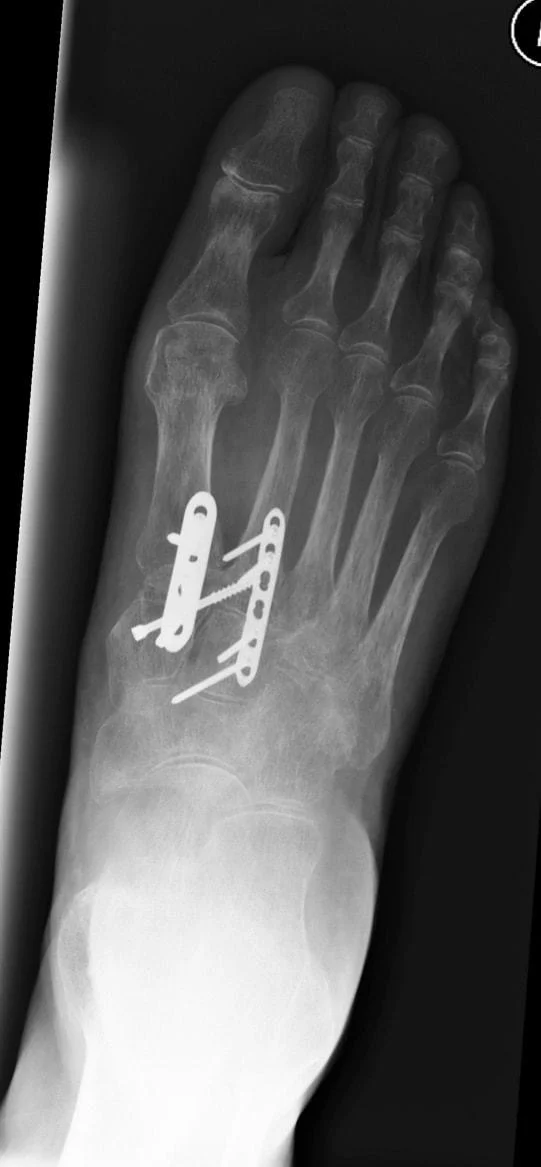
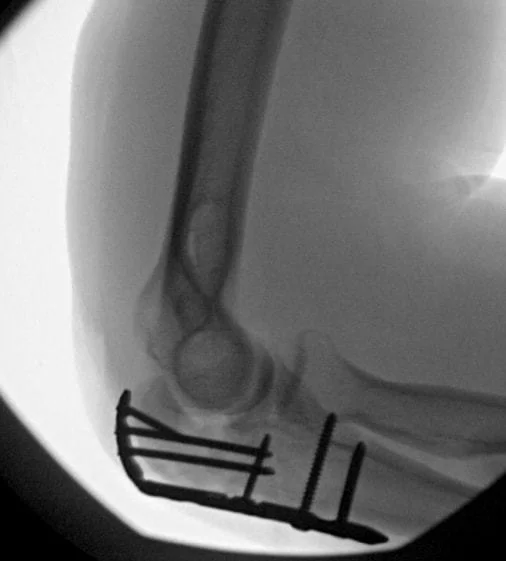
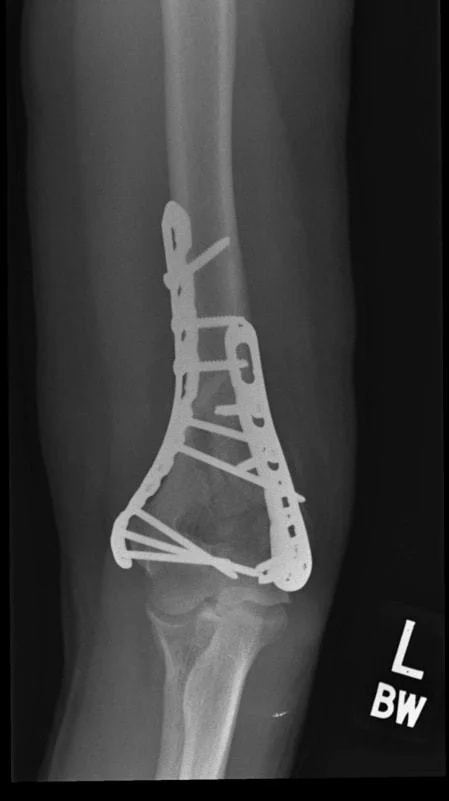
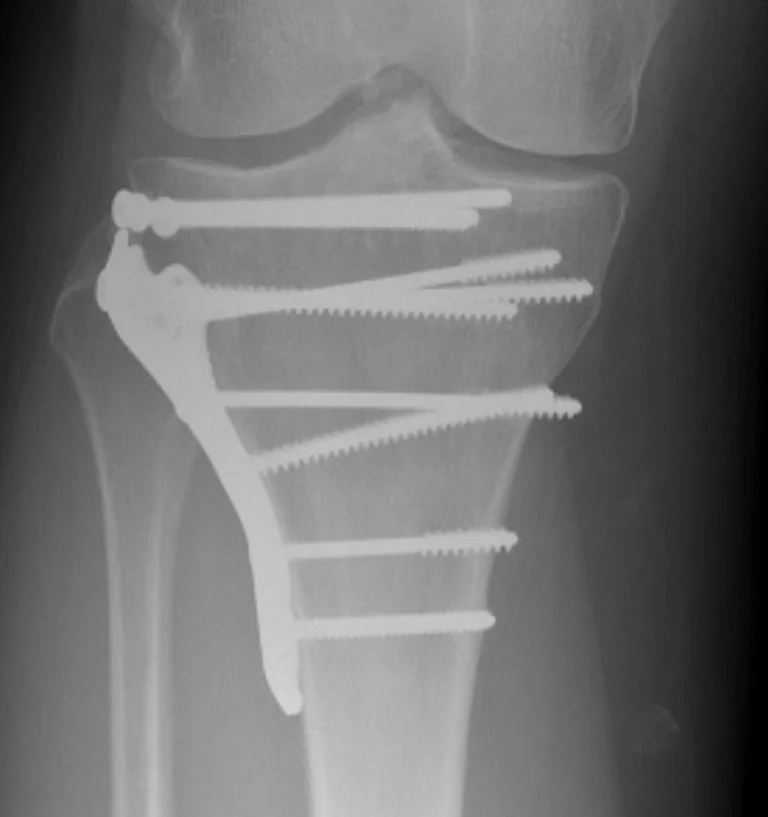
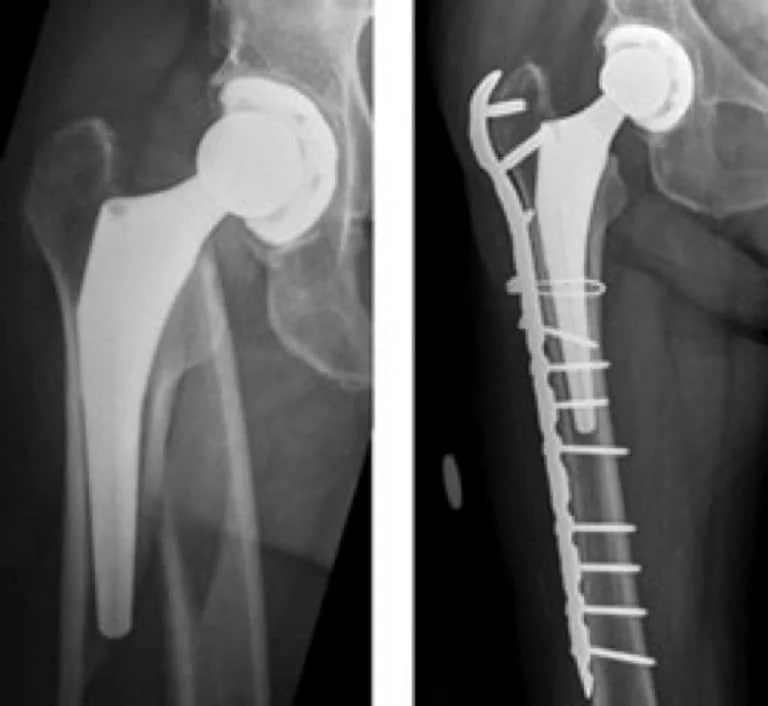
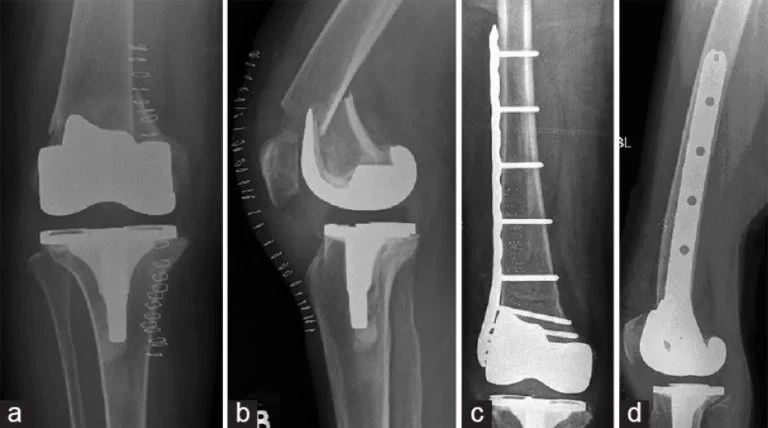
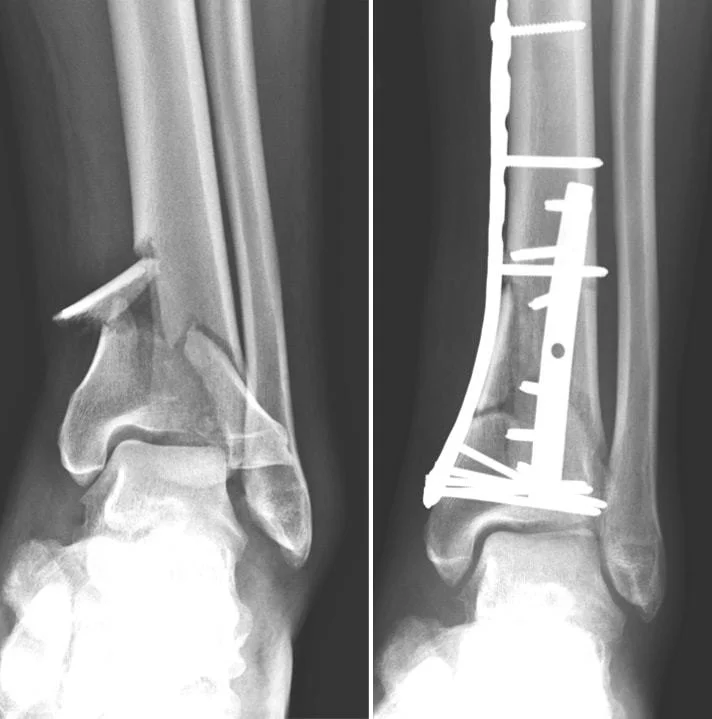
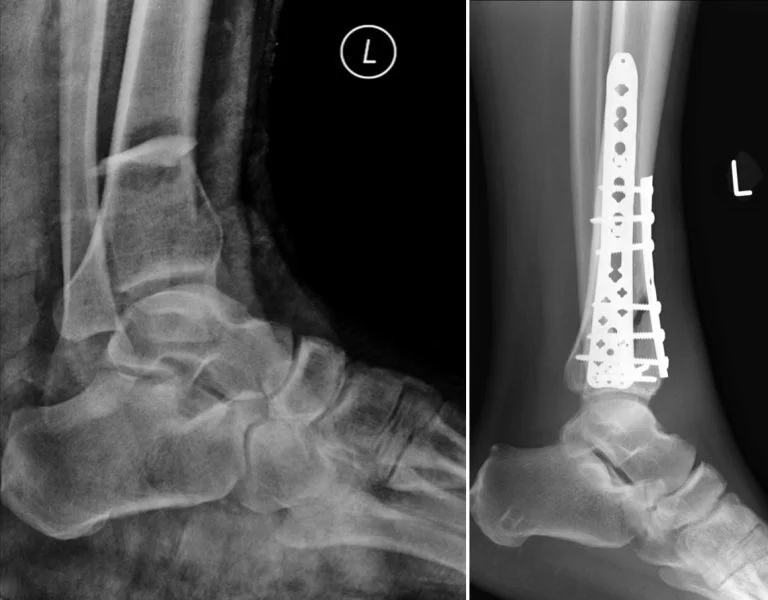
Here Are Some Examples of Trauma Surgery X-Rays
Patient Story
“Mr. Edmondson was very informative and explained the process from beginning to end I felt in good hands and fully confident that my procedure would be a success.”
Anonymous feedback, Montefiore Hospital
Book a consultation
Clinic Times
Mon
Nuffield Haywards Heath, 8:30-17:30
Tue
Spire Montefiore, Hove, 8:00-17:30
Fri
Nuffield Haywards Heath, 10:30-13:00