


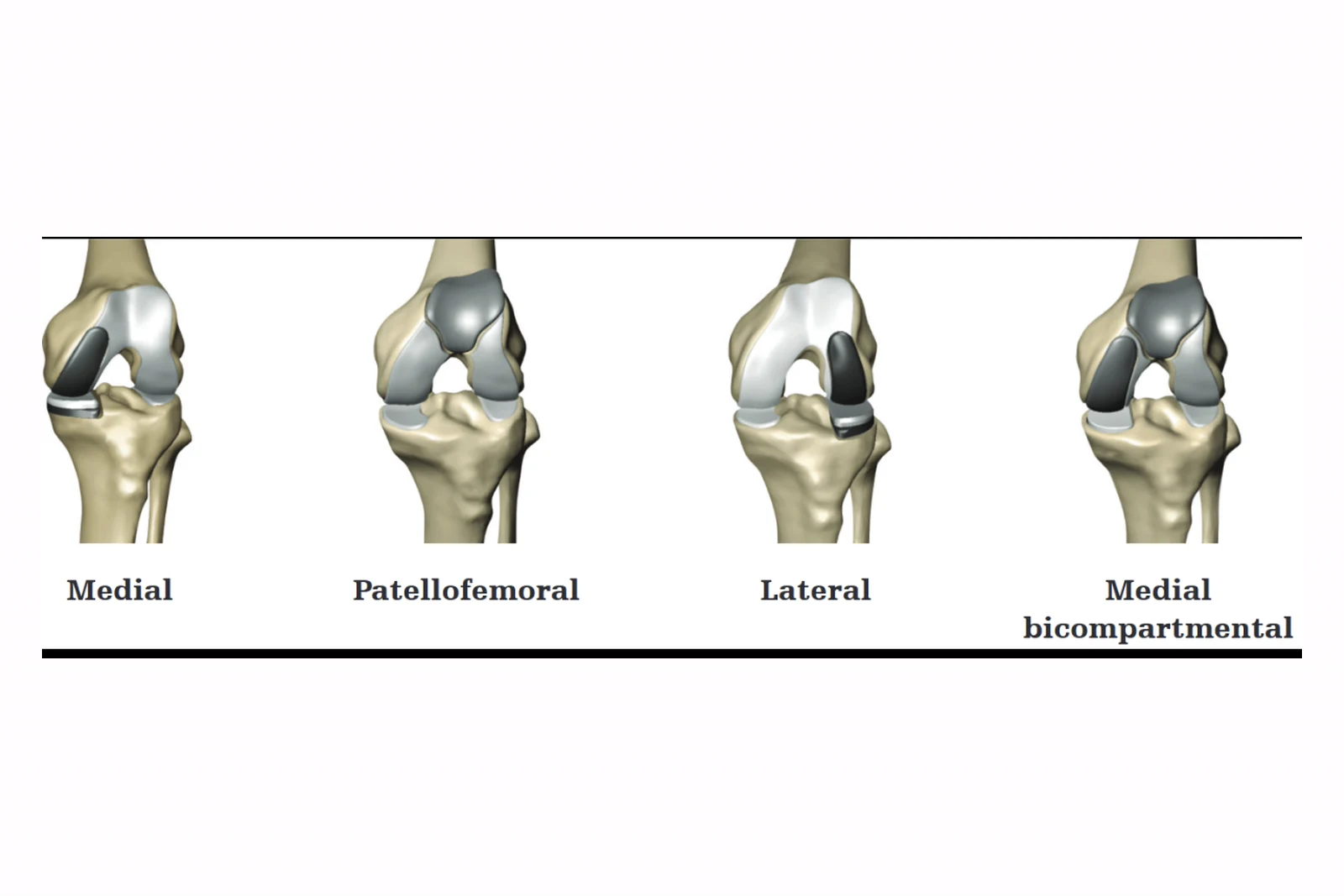
What is a partial knee replacement?
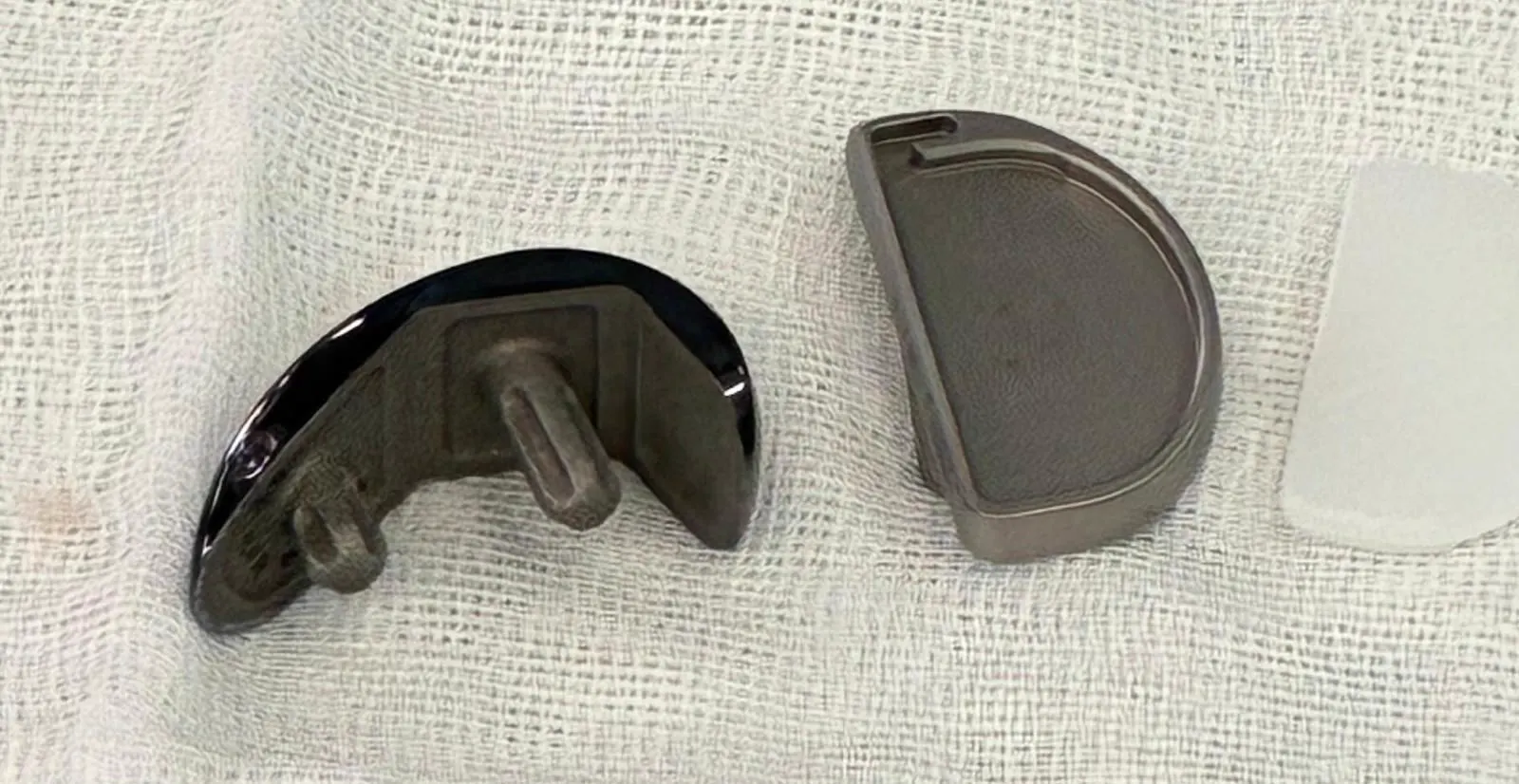
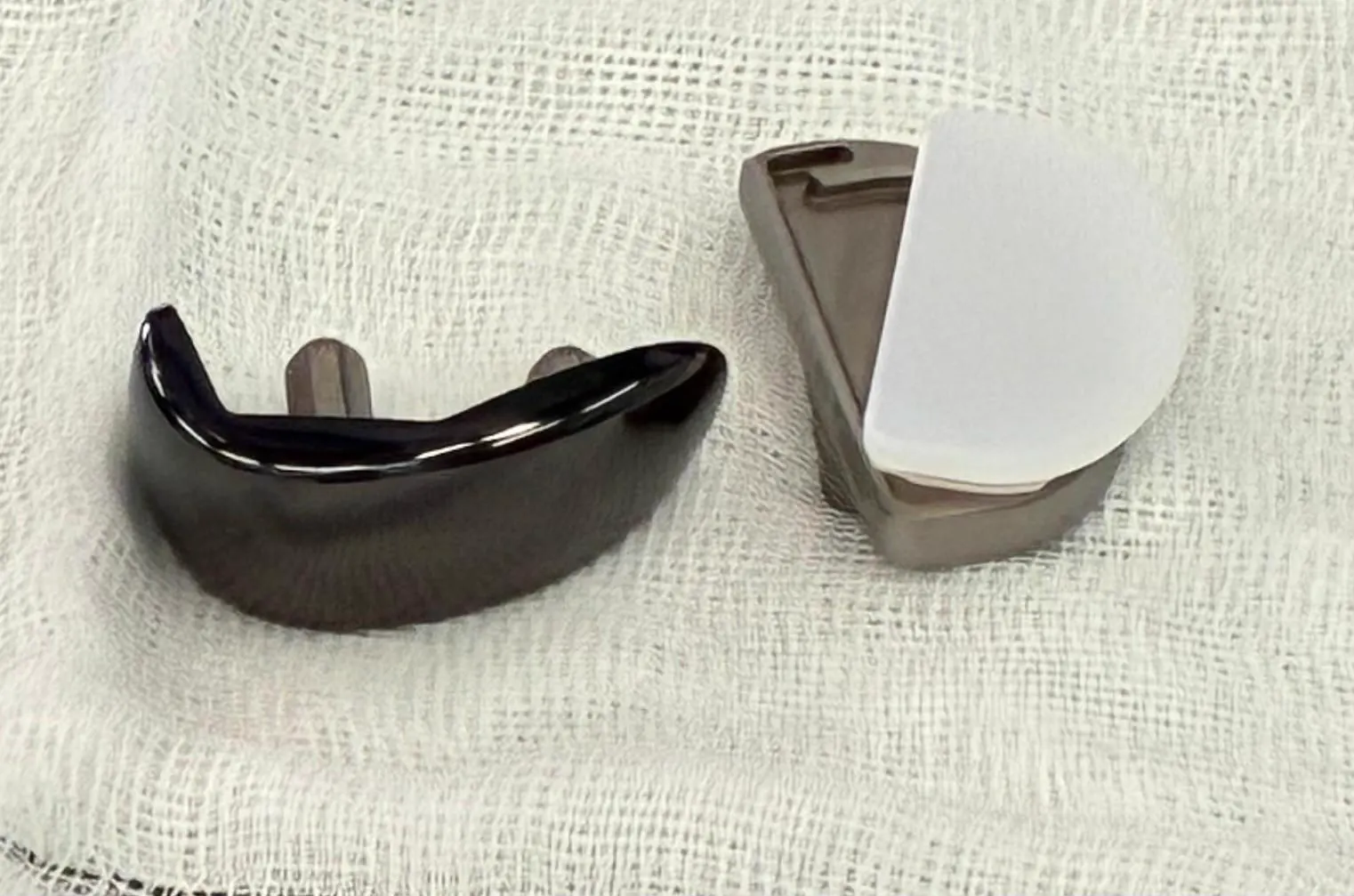
A partial knee replacement, also called a unicompartmental knee replacement, resurfaces only the part of the knee that has worn out. The knee has three compartments: the inner side (medial), the outer side (lateral) and the area behind the kneecap (patellofemoral). When arthritis is limited to one of these, most often the inner side, that compartment alone is replaced with metal and plastic components, and the rest of the knee is left as it is.
Because healthy cartilage, bone and the cruciate ligaments are preserved, many people find a partial knee feels closer to their own knee than a total replacement. The incision is usually smaller and early recovery is often quicker. Mr Mark Edmondson can perform partial knee replacement with robotic assistance, using CORI at Nuffield Health Haywards Heath and MAKO at Spire Montefiore Hospital, Hove, so the implant is planned and positioned to the shape of your knee. He remains in control of every step.
General background on the operation, including partial replacement, is available in the NHS guide to knee replacement.
Benefits of partial knee replacement
The potential benefits of a partial knee replacement include a smaller incision, less bone removed, natural ligaments kept in place, movement that often feels more like a normal knee, a shorter hospital stay and a quicker return to everyday activity. Keeping bone also means that, if the knee wears elsewhere in future, it can usually be converted to a total knee replacement. Individual results vary, and Mr Edmondson will explain what is realistic for your knee.
Is a partial knee replacement right for me?
Partial knee replacement suits some people with knee arthritis rather than all. It is usually considered when wear is confined to one part of the knee, the ligaments are healthy and the knee is stable. Mr Edmondson discusses it particularly with younger and active patients who want to keep as much of their own knee as possible.
- It may be worth discussing if:
- Your pain is mainly on one side of the knee, often the inner side.
- X-rays or a scan show wear in one area, with the rest of the joint well preserved.
- Your knee feels stable and does not regularly give way.
- Pain limits your walking, sport or sleep despite physiotherapy, injections or pain relief.
When a partial knee may not be the right choice
A partial replacement may not be the right choice if arthritis has spread across the knee, if the anterior cruciate ligament is damaged, or if you have an inflammatory arthritis such as rheumatoid arthritis. In these situations a total knee replacement is often the more reliable option.
Non-surgical care, including weight management, strengthening exercise, physiotherapy and pain relief, is always discussed first, in line with NICE guidance on osteoarthritis (NG226). You can read more about knee arthritis symptoms and treatment.
What happens on the day of surgery?
Most people are admitted on the morning of surgery. A partial knee replacement usually takes around an hour, under a spinal or general anaesthetic chosen with your anaesthetist. With CORI, the shape of your knee is mapped during the operation itself. With MAKO, the plan is built beforehand from a CT scan. In both cases, Mr Edmondson checks the balance and alignment of the knee before the final implant is placed.
Many patients stand and walk with support on the same day. Hospital stays are often shorter than after a total knee replacement, and some people go home the next day. Before you leave, the team will check your walking, your wound and your pain relief, and you will be given an exercise plan and clear contact details.
Your Recovery, Week by Week
Day 1
On your feet with support, often on the day of surgery.
Weeks 1–2
Relying less on walking aids, with bending exercises and a wound check.
Weeks 4–6
Many return to driving and desk work, guided by your progress.
Months 3+
Golf, cycling and swimming, with higher-impact sport discussed individually.
Risks and Honest Conversations
A partial knee replacement carries the general risks of any knee operation, including infection, blood clots, stiffness and ongoing pain. There is also a specific consideration: arthritis can develop in the parts of the knee that were not replaced, and national registry data shows partial knees are more likely than total knees to need further surgery over time. Mr Edmondson talks through the risks that apply to your knee and how each one is reduced. No promises are made about outcomes, and that honesty is part of the care.
Here Are Some Examples of Partial Knee Replacement X-Rays
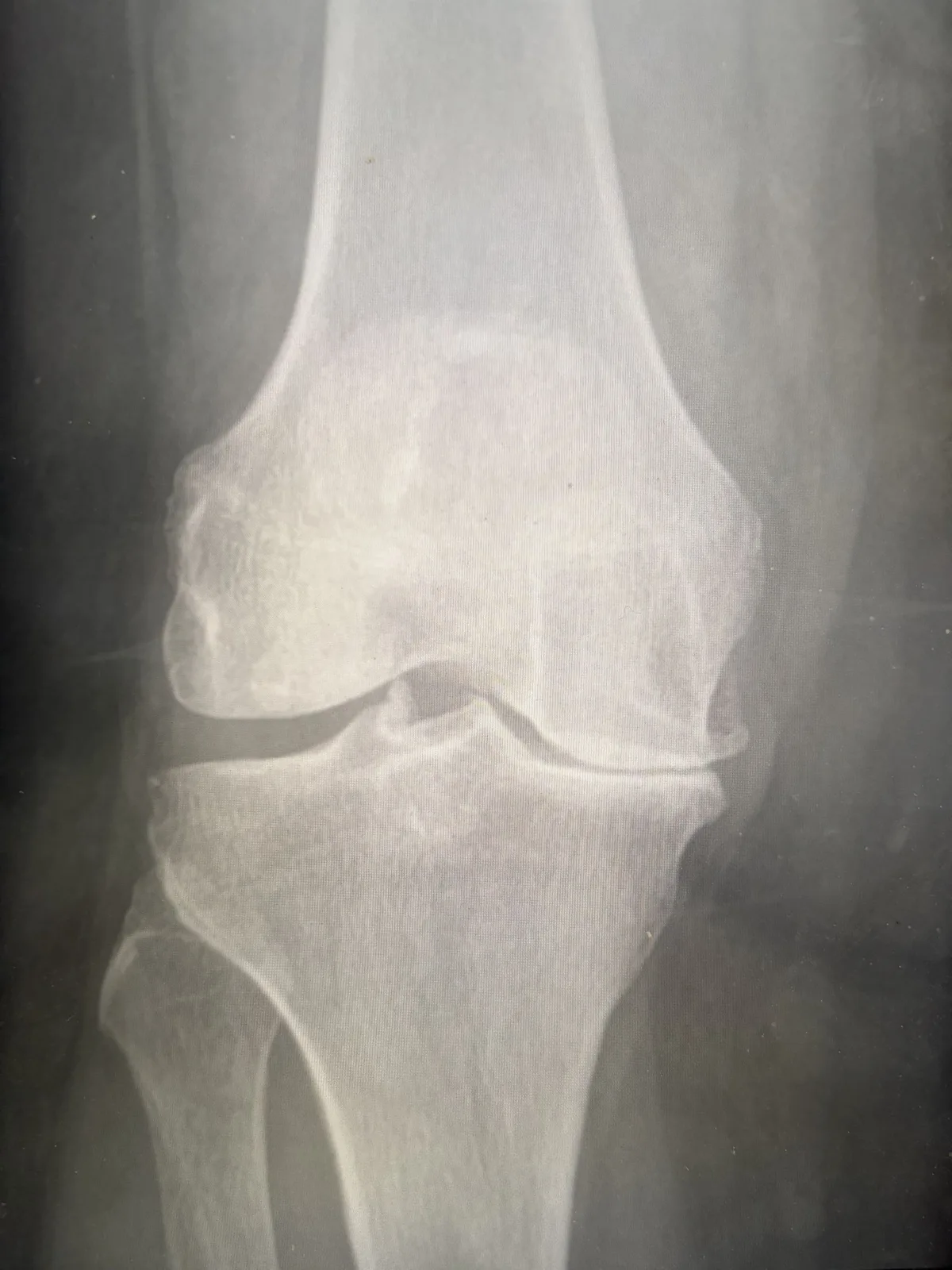
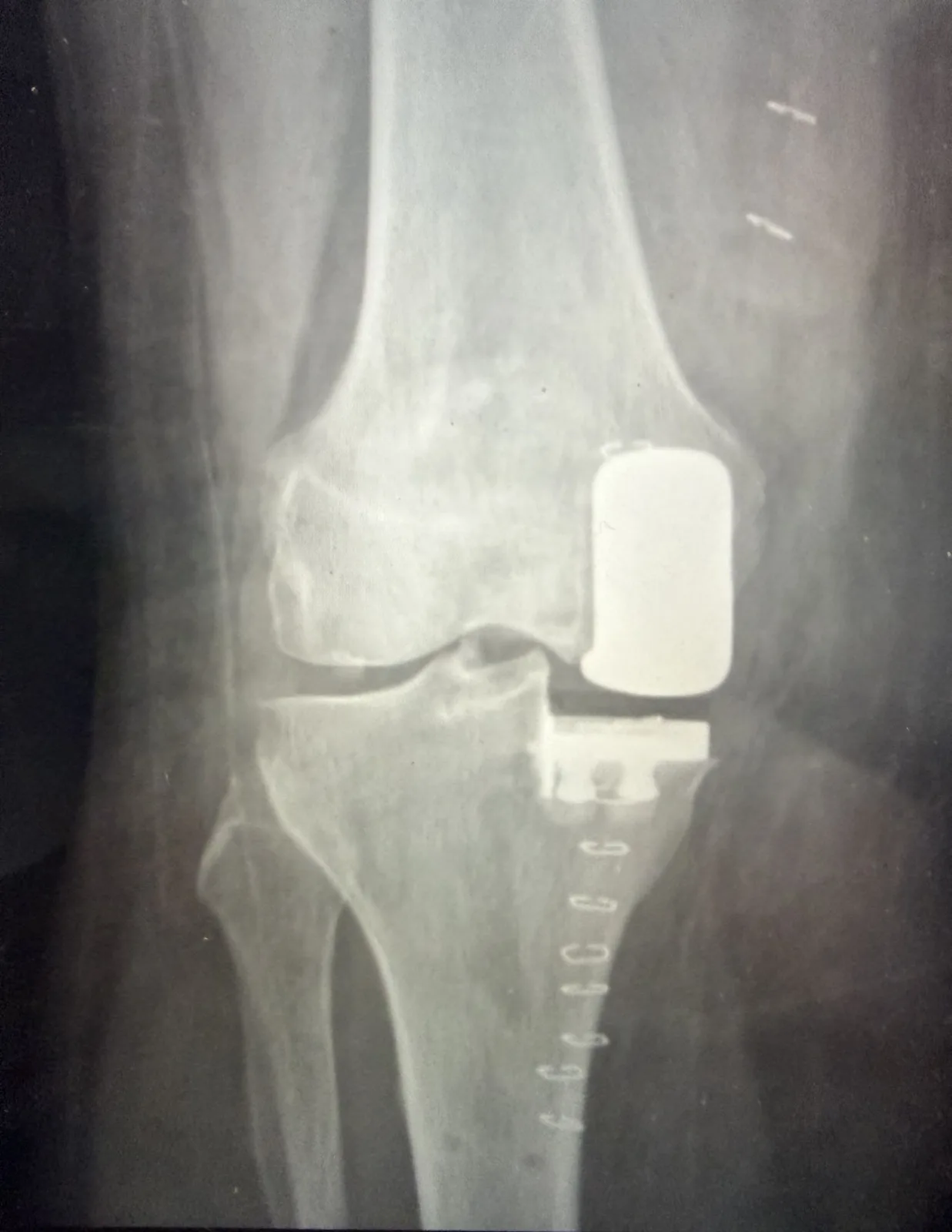
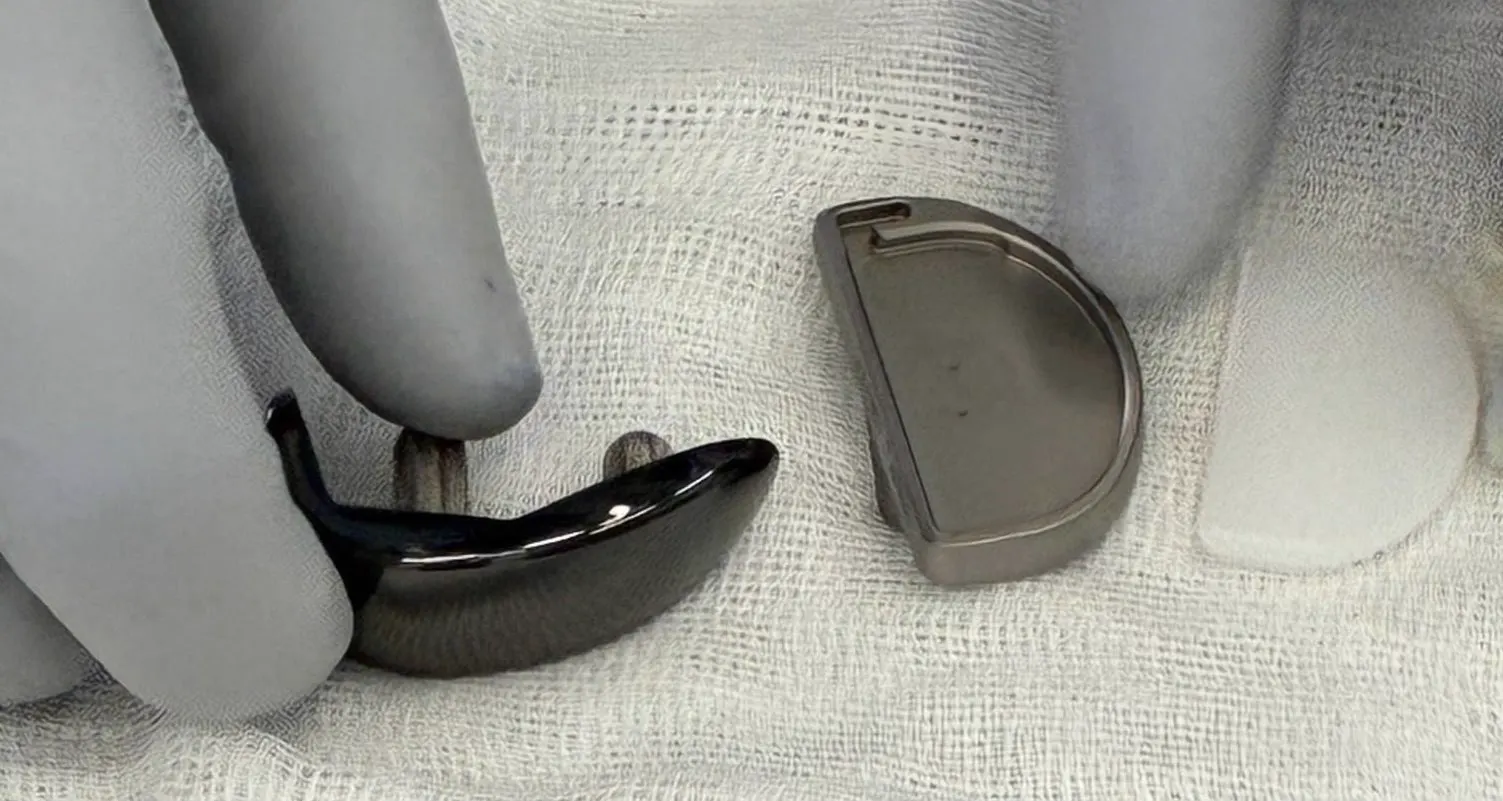
Patient Story
“Mr. Edmondson was very informative and explained the process from beginning to end I felt in good hands and fully confident that my procedure would be a success.”
Anonymous feedback, Montefiore Hospital
Book a consultation
Clinic Times
Mon
Nuffield Haywards Heath, 8:30-17:30
Tue
Spire Montefiore, Hove, 8:00-17:30
Fri
Nuffield Haywards Heath, 10:30-13:00